Reading a Launch's Sales Numbers: A Bangalore Buyer's Guide to Booking Claims
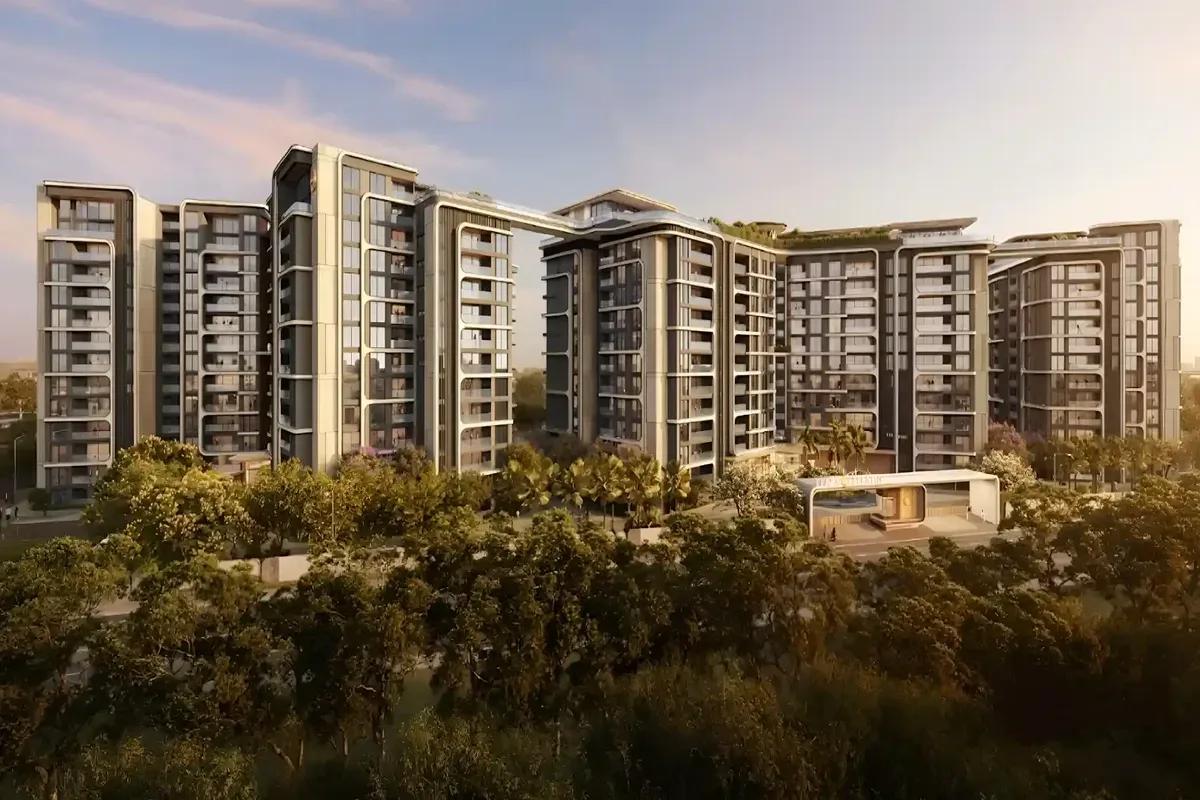
Arvind SmartSpaces told investors in May 2026 that Bannerghatta Road's Arvind Skycrest had sold Rs. 262 Crore across 164 homes in its first seven days. That was 53% of everything on offer. Numbers like this make launches feel urgent. Here is how a Bangalore buyer can read them calmly.
Reading the Number Itself
A strong first week is real evidence. The price, the micro-market and the builder's name appealed to many people at once. It also suggests the project will attract the buyers needed to fund construction, and it may point to later tenant and resale interest.
The number answers one question only: was there demand? It is silent on the land title, the sanctions obtained and the builder's punctuality. Every other buyer saw the identical brochure and heard the same sales talk.
Three Questions About Any Booking Count
Before relying on a figure, ask what it measures.
- Does it count registered agreements, or also interest forms and token bookings that buyers cancel easily?
- Does the percentage cover the full project or just the first towers released?
- Do the unsold homes come in the size, floor and facing the household needs?
Some developers put a modest batch on sale first, sell it out and then price the next batch higher. That is a normal tactic. Still, "sold out" then describes one batch and says little about what remains.
Is the Launch Rate a Bargain?
Launch pricing has genuine advantages. Buyers at launch typically see the lowest rate in the project, the most varied floors and plans, and a payment schedule tied to construction. For someone still building savings, that spread is useful.
What it costs is certainty. Possession is several years off, and the buyer pays rent and loan interest at the same time. Setting the launch rate against completed or near-complete homes around it is a fair test, because a small gap may favour the finished flat.
What to Verify Before Paying
The 2016 real estate law lets buyers confirm several points on the regulator's portal or from documents the sales team already holds.
- A project needs registration first; take the number and search it
- The portal entry lists the promoter, land details, towers, homes and promised completion date
- Taking more than 10% of the price is barred until buyer and promoter sign and register a written agreement to sell
- 70% of buyer payments belongs in a separate project account, released as construction advances
- Tower, floors and unit number should match the sanctioned plan
- Carpet area should read the same in the cost sheet and the agreement draft, as the price depends on it
The builder's earlier projects get the same attention. Compare promised handover dates with actual ones, and visit one finished community if possible. A history of steady delivery is a stronger guide than a busy launch week.
The Quarterly Record Beats the Press Note
A launch figure is announced to the press. The quarterly RERA update is a legal document, refreshed every quarter, and it lists homes booked by number and type, approvals received or pending, and the stage of construction.
So a buyer can test the claim a few months later. A project that announced a sell-out but reports a far smaller booked count deserves a direct question. Anyone with time to spare gains by waiting for the first update.
Pressure Tactics Worth Noticing
Some urgency is normal at a launch. These signs are reasons to pause:
- Money requested before a RERA number exists
- An offer that expires "today" with nothing in writing
- Hesitation to share the sanctioned plan, draft agreement or cost sheet before payment
- A carpet area that differs between brochure, cost sheet and agreement
- A booking form that gives no clear refund terms
- Verbal warnings of a price hike "next week"
Good launches answer each of these on paper. Ask for the refund conditions on the token money first, since the answer usually shows whether the deadline is genuine.
Deciding With a Clear Head
Booking early is reasonable once registration is confirmed, the plan and agreement are read, the builder has completed projects and the price holds up against finished homes nearby. At that point the launch rate and wide choice are worth taking.
What matters is sequence: checks first, payment after, even at the risk of losing a preferred unit. Bangalore has plenty of new supply, so another unit or project will turn up. The EMI calculator can test whether the instalments suit the household budget.